
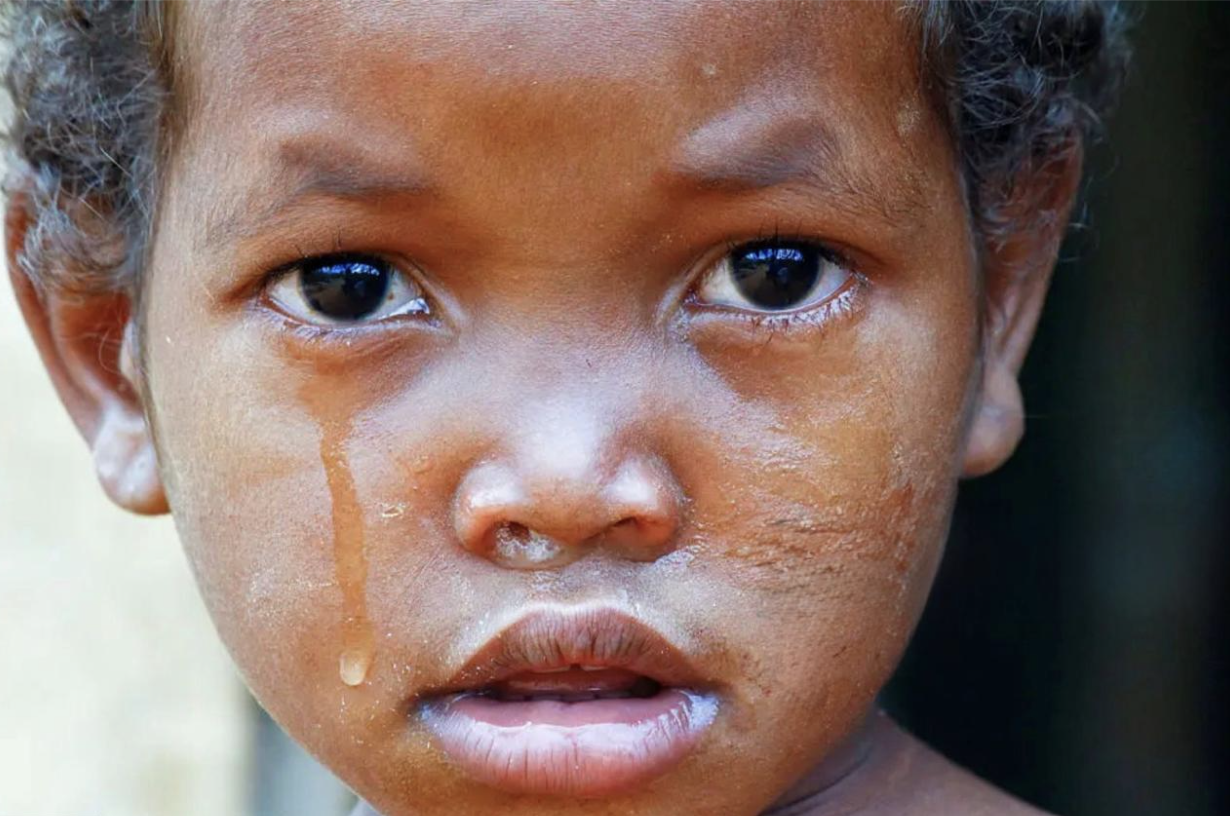
Mouse is a 15-year-old who traveled alone from Guinea to the Canary Islands. He witnessed 20 deaths in a crowded wooden boat and has limited access to food. While kids his age were playing football and going to school, he had to take a life-threatening journey. Unfortunately, numerous children from Africa have to suffer through the same conditions and undergo a hazardous expedition that would leave a lasting emotional wound.
Children who travel from Africa to the Canary Islands normally start their journey in Mali. They then have to travel to neighboring countries like Senegal or Mauritania. Common departure locations are Nouashubou in Mauritania (about 775 km from the islands) and Dakhala (about 450 km from the islands). After arriving at the departure points, they board small, unseaworthy, and overcrowded fishing boats. These boats are called cayucos and because they depart from far locations, children must spend an extended period of time living in deplorable conditions at sea. The risks of this journey include insufficient food supply, harsh environmental conditions, and the constant risk of drowning. However, when they arrive on the Canary Islands, their hardship is far from over. Youth centers are operating at 123% capacity and providing housing to approximately 5,860 people, when their infrastructure is meant to accommodate fewer than 900. This creates limitations in specialized staff, a shortage of housing, and insufficient food for minors.
Additionally, strong overcrowding causes significant delays in the age assessment that confirms minors status. Spanish law requires unaccompanied minors to follow regulations that prioritize the young; therefore, their delays in classification lead to insufficient attention towards vulnerable groups. Furthermore, 65% of the children arriving are unaccompanied minors. The independence they obtain deprives them of security and comfort, and triggers emotional instability.
The journey from Mali to the Canary Islands is a traumatic and emotionally heavy event. It leads to detrimental neurological consequences, including a deficit in identifying, expressing, and managing emotions. Furthermore, since violence, loneliness, sadness, and anger have been constant in their lives, reminders of trauma may be present everywhere. In the brain of a child, the amygdala identifies danger and generates an emotional response. The pregenual anterior cingulate cortex helps control emotions and regulate the amygdala. Children with a psychological injury normally experience increased amygdala activity, making the brain more sensitive to threat.
Moreover, there is a weaker connection between the amygdala and pgACv, resulting in a lack of emotional regulation, as the control system (pgACv) does not communicate well with the emotional system (amygdala). Consequently, children are more easily triggered by everyday interactions and respond sensitively to stressful situations. Their lack of self-regulation causes them to act in ways that may appear unpredictable, oppositional, volatile, and extreme.
Furthermore, the trauma from their journey leads to dangerous psychological problems such as dissociation. When a child is experiencing constant stress or encounters a highly traumatic event the brain activates a copying mechanism that disconnects an individual from their thoughts, memories, feelings, actions or sense of self. Dissociation is an escape from constant anxiety, where individuals prefer to escape from reality rather than face their traumas. Children may look at themselves as separate from their bodies or feel like they are in a dream, as if their experiences were happening to someone else. Dissociation can cause children to forget important memories or experiences, leading to gaps in time and impaired personal history. Even though at first children may be unable to dissociate automatically, when they learn to use it as a defense mechanism, they can deliberately use it in stressful situations. Dissociation can impair a kid’s sense of time, damage their ability to be fully present in day-to-day activities, and harm their capacity to socialize. In addition, this disorder is especially dangerous for kids because it is harder to identify and can often be qualified as “spacing out,” daydreaming, or lack of attention.
One of the consequences of the journey is their lack of human connection and contact with parents or legal guardians. The relationship a child forms with a caregiver is among the most important aspects of their early development. Throughout connections with attachment figures, children learn to regulate their emotions, trust others, and interact with the world. When children are deprived of these relations, they become completely dependent on themselves and learn that they cannot really rely on anyone to help them. Consequently, when they grow up, they cannot build healthy, supportive relationships with friends, family, and significant others. Ultimately, a complex trauma history also makes them more prone to vandalism or involvement in criminal activity, as they lack the ability to accept authority figures or trust institutions.