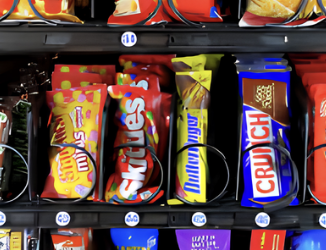
ASB students have reacted with frustration to the vending machine change from the 2024-2025 school year to the 2025-2026 school year. Students are agitated by the change as they were used to the old sugary products whereas now they are getting introduced to more nutritional focused snacks.
Every student is eager to go to the vending machine during recess. However, they faced disappointment this year when they went to the vending machine and found all sorts of healthier products. Researchers have found that kids make quick decisions on eye-catching food such as sweets that have all sorts of bright colors like commonly sold products in a vending machine such as candy bars, cookies, and soda drinks. This preference for visually appealing junk food explains why students are resistant to the new options.
Furthermore, studies show that 83% of US schools (152 schools, 5,930 students) had products in vending machines with minimal nutritional value such as soft drinks, chips, and sweets. This is negatively impacting the school environments by decreasing the nutritional value of the students’s diets and by teaching them to have unhealthy eating habits.
The vending machine change aligns with Spanish regulations such as the law in Spain that prohibits any type of sugary drinks for example as soft drinks, juices, energy drinks, and any processed pastries at school cafeterias including vending machines. The requirement is no products that exceed over five grams of sugar per portion.
In fact the Spanish law does apply to ASB, this might be a step closer to the ASB community to getting healthier, more nutritious eating habits towards students. But there are many complaints from students on doing any further changes to a healthy vending machine.
To understand how ASB students are responding to this change, interviews were carried out with eight students and two teachers. This preference for visually appealing junk food is clearly reflected towards ASB students’s reaction to the change. In interviews with students, six out of eight (75%) stated that taste matters more than health when choosing vending machine snacks. As Can Pala stated, “When you go to the vending machine, you just want something that tastes good.” This response aligns with the research of children having quick decision thinking. Students are used to the sweet products, making the transition to healthier options is a challenge towards the students to adapt.
Students want a sweet treat during recess or after lunch as Owen Quin says “I don’t really like it because I feel like if we’re spending a euro 1.50, we should get a sweet treat.” This data that I have gathered from my interviews do support his claim. Now, five out of eight students buy less from the vending machine than last year and three out of eight students stopped buying completely. As they stopped buying due to lack of taste, price for product and just overall ignorance to accept healthier food. Students stated that they either bring snacks from home or just in general go without snacks. This suggests that the vending machine is no longer meeting the purpose for students to keep buying from it. Six out of eight students (75%) also noted that the old snacks were more filling, with several mentioning that protein bars don’t satisfy them. As Clara Vazquez said in an interview, “People don’t really want that, so I feel like no one is actually buying the healthy stuff from the vending machine, so there’s no point in investing in the new products.” Clearly, the vending machine change has backfired, instead of promoting healthy eating it has simply reduced the students consumption from the vending machine. However students aren’t rejecting the healthy options entirely they’re just asking for a balance.
Unlike the students’ clear preference for the old machine, teachers’ opinions reveal more complex debates about health, choice, and the role of vending machines at school. I interviewed two middle school teachers, Mrs. Sandra, a Catalan teacher, and Ms. Day, a humanities teacher.
Ms. Day, who has heard students complain about the new vending machine, doesn’t believe it encourages healthier eating at all. As she bluntly states, “kids want junk food they can get their parents to buy it for them, school shouldn’t supply kids with junk food.” She argues that “kids like to use the vending machine whether or not it is healthy, because they like to spend money and press buttons,” suggesting the machine’s appeal isn’t really about the food itself.
Mrs. Sandra, however, sees the change more optimistically. She wasn’t informed of the vending machine change initially, but once informed, she viewed it as positive. According to Mrs. Sandra, “the healthier options encourage students to think more consciously about their food choices, making it a good idea if you use it wisely.” Yet she also raises concerns about students’ spending habits, noting that some students spend way too much money on the vending machine and suggesting that teachers should discuss proper vending machine use with students, particularly when students skip lunch in favor of snacks.
Interestingly, while Mrs. Sandra hasn’t heard any students’ opinions about the change, Ms. Day has heard complaints suggesting that students may be more vocal with certain teachers or in certain classes, some possible reasons for that is that schedules get Ms. Day’s class after recess and so most students come after recess with a snack from the vending machine. That gives her an opening to students’ thinking. Neither teacher noticed changes in student energy level, yet 75% of students reported feeling less full with the new snacks. This gap between teacher perception and students experience highlights a potential communication issue at ASB between teachers.
To understand the administrator’s perspective, this journalist interviewed Maria Angeles, the schools finance manager who oversees the vending machines operation. According to Maria Angeles, the change wasn’t simply a school initiative—it’s required by new EU law taking action in April that instructs that all school food services, including vending machines, to meet strict nutritional standards. For further adjustments to the vending machine, they’re planning to replace all three vending machines on campus and with upgraded models after ski week. Featuring QR codes for malfunction problems and the ability to pay directly with their ID card. Maria Angeles emphasized that vending machines are considered a service for the community rather than a source of profit for the school. While the school welcomes students and teachers feedback, Maria Angeles that any product changes must follow EU law requirements.
The vending machine controversy at ASB reveals a challenging situation: legal requirements do not align with students’ demand. This can impact kids’ diets over all different schools giving them a negative thought on healthy eating as junk food is getting labeled as tastier. Instead of promoting healthy eating habits, the change has drifted students away from the vending machine altogether. The outcome confirms the research supports that kids are attracted to junk food and will willingly prefer a vending machine with products such as sweets, chips and soda drinks instead of protein bars, oat cookies and healthier alternatives to chips. Yet 75% of students are just requesting for there to be a balance of nutrition and taste. Moving forward one initiative could be to involve students in selecting products that meet both legal standards and taste preferences.This situation matters to the community as students appreciate the vending machine and are open to try new things. However, it is important to listen to all perspectives in order to find a balance in what everyone can agree on.