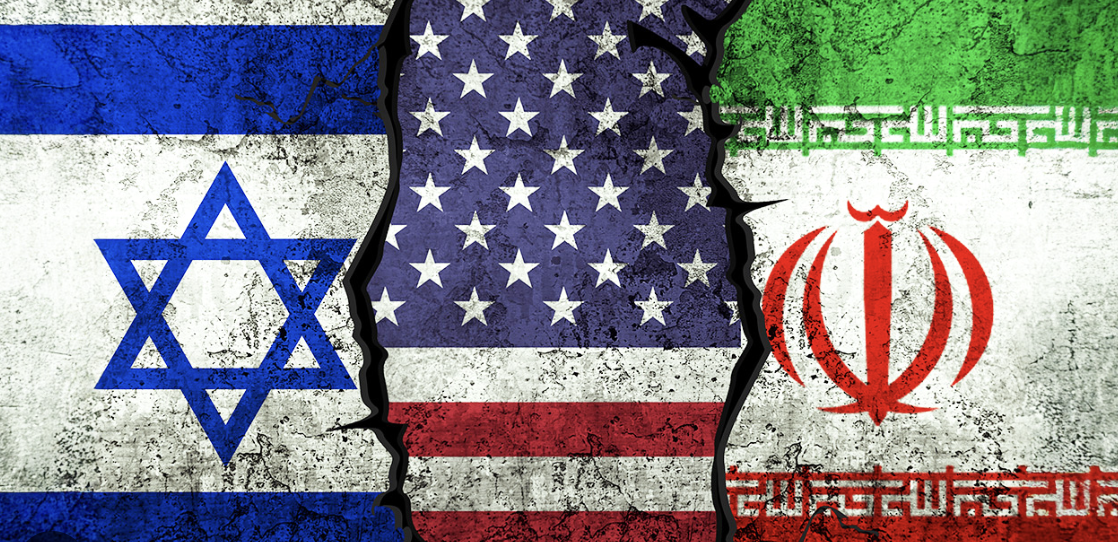
Imagine walking through a crowded street where the air smells of smoke and the ground shakes from distant explosions. You look around and see people rushing to buy bread before it runs out and families trying to find shelter to protect themselves from danger. Life feels uncertain not because of what the people have done, but because of decisions made far away in another country. For many Iranians, this is how it feels to live under the constant tension between Iran and the United States. The conflict is not just a story on the news: it shapes daily life, emotions, and the way people see the world.
From the Iranian point of view, the tension with the United States has lasted for generations. It is not only about politics or weapons—it is also about pride, history, and independence. Many Iranians believe their country has been treated unfairly and misunderstood by the West, especially by the United States of America. The roots of this mistrust go back to 1953, when the U.S. and Britain helped overthrow Iran’s elected Prime Minister, Mohammad Mossadegh. Mossadegh had decided to take control of Iran’s oil industry so that the profits would go to the Iranian people instead of foreign companies. The U.S. and Britain saw this as a threat to their own interests and supported a coup to remove him. For Iranians, this was a deep betrayal. It proved to many that Western powers cared more about oil and power than about democracy or justice.
Years later, in 1979, the Islamic Revolution changed everything. The people of Iran rose up against the Shah, who had ruled with the strong support of the United States. Many Iranians saw the revolution as a chance to free themselves from Western influence and rebuild their country based on their own values. The revolution made many people proud, but it also created new problems. When students took over the U.S. embassy in Tehran and held Americans hostage, it began decades of anger and mistrust between the two nations. The revolution gave Iranians independence, but it also isolated them from much of the world.
In the years that followed, the U.S. placed several sanctions on Iran. These economic restrictions were meant to punish the government and stop its nuclear program, but they hurt regular people much more. Prices went up, medicines became hard to find, and many families struggled to survive. While American leaders said the sanctions were necessary for safety, Iranians felt like they were being punished for a political situation that they had no control over. The sanctions caused frustration and sadness—emotions that grew stronger with each passing year. Even moments of hope later turned into disappointment.
In 2015, Iran agreed to the nuclear deal known as the JCPOA, which limited its nuclear program in exchange for the lifting of sanctions. At first, it seemed like a new beginning, a chance to rebuild trust between Iran and the West. But when the United States withdrew from the agreement in 2018, many Iranians saw this as another broken promise. Their sense of hope turned into more anger and disbelief. Then, in 2020, the U.S. killed General Qasem Soleimani, one of Iran’s top military leaders. Across the country, people cried in the streets. Even those who did not agree with the government felt that their country had been disrespected and attacked.
Despite the long history of bitterness, most Iranians do not wish for war. They want peace, jobs, education, and a stable future for their children. They want the world to understand that they are more than simple headlines about nuclear weapons and sanctions. To them, the conflict with the U.S. is not only about power, it is about dignity, survival, and the right to make their own choices. They hope that one day, both nations can move past the anger and see each other as people, not enemies.
For now, Iranians continue to live with the pressure of sanctions, the fear of conflict, and the memory of a history that still shapes their lives. But through it all, they hold onto their pride and hope. Their story is not just about struggle; it is also about endurance and the strength to keep going even when the world seems to stand against them.
Bibliography:
(MLA citations)
Khalil, Hafsa. What We Know about the Joint US-Israel Attack on Iran. 28 Feb. 2026, www.bbc.com/news/articles/cx2dyz6p3weo.
Kola, Paulin. Iran Rejects US 15-Point Peace Plan, State Media Report. 25 Mar. 2026, www.bbc.com/news/articles/cly9nz5vyz4o.
“The Iran Strikes, Explained: How We Got Here and What It Means.” AJC, Mar. 2026, www.ajc.org/news/the-iran-strikes-explained-how-we-got-here-and-what-it-means.