
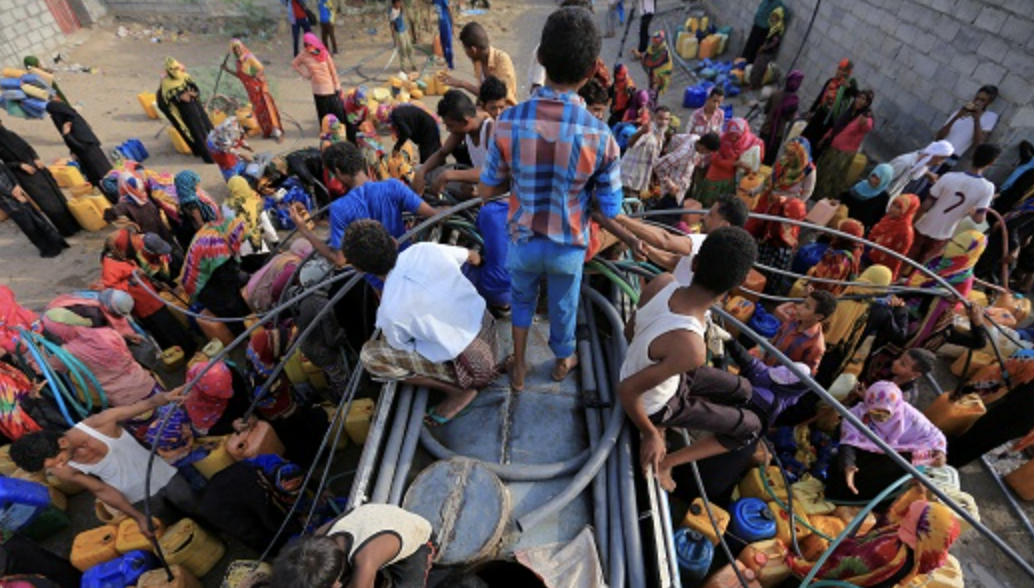
Resource scarcity refers to the limited availability of essential materials and services compared to the limitless demands of a population. In other words, there is a contradiction between what’s needed and what’s available, creating tension and competition. When individuals lack access to essential resources like clean water or reliable energy, their survival is threatened. For instance, when water becomes scarce, communities disagree over access to drinking supplies, illustrating how immediate survival needs can spark conflict. The fundamentals of resource scarcity require recognizing that it’s not simply a material issue; it’s deeply rooted in economic, social, and political dynamics. It is critical to approach this issue by taking into account the effect resource scarcity produces on power dynamics, such as access and control. Resource scarcity and conflict are often linked through interconnected factors, such as economic instability, social inequality, and political marginalization.
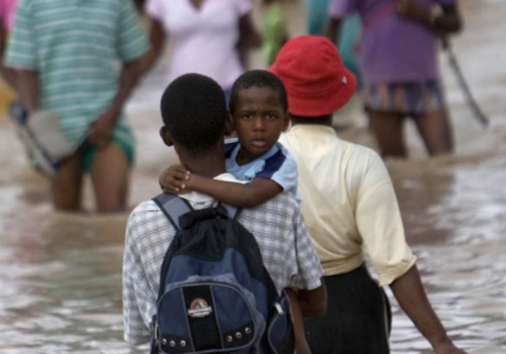
Furthermore, conflict arises when parties differ about the administration and protection of ecosystems and natural resources. When they are unable or unwilling to cooperate in a productive process, it creates further tension. When member states lack understanding of the issue, including the lack of relevance and interpretation, it leads to poor communication and misunderstanding. Fundamental political questions include who should have access and control over resources, and whose views truly “matter.” These questions are essential when understanding sources of tension and division.
Background Information
Numerous historical and contemporary conflicts can be traced back to resource scarcity. For example, the Darfur conflict in Sudan was initiated by competition over dwindling water and grazing land. Resource scarcity acts as a stress multiplier, affecting existing vulnerabilities within societies. This multiplier effect is critical in understanding how seemingly minor resource limitations can turn into immense conflicts. Furthermore, it impacts state stability. If a government struggles to meet the basic needs of its population, it loses legitimacy, increasing the risk of civil unrest and state failure.
Current Situation
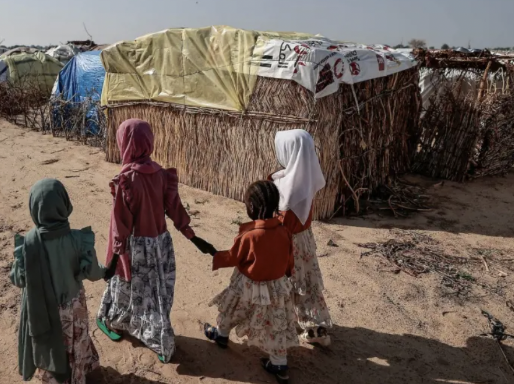
When stress occurs in societies, violence is often the outcome, making institutional reform difficult or impossible. Furthermore, climate-induced migration, driven by extreme weather events, is a growing concern, particularly in regions that are already facing resource scarcity. Across borders, resource scarcity can contribute to refugee flows, which increases conflict, as “environmental refugees” are not formally recognized in international law. Ultimately, as the global demand for energy resources such as fossil fuels (ex, oil and gas) continues to rise, nations vie for control over resource-rich regions, which triggers both local and international disputes, such as in Venezuela. Ultimately, addressing resource-driven conflict requires coordinated action that prioritizes sustainable resource management, transparent governance, and international cooperation.
Bibliography:
(MLA citations)
International Rescue Committee. “The Central Sahel: How conflict and climate change drive crisis.” International Rescue Committee, International Rescue Committee, 26 September 2023, https://www.rescue.org/eu/article/central-sahel-how-conflict-and-climate-change-drive-crisis. Accessed 22 January 2026.
Mercy Corps. “Addressing Climate Drivers of Conflict.” Mercy Corps’ Approach, Mercy Corps’ Approach, May 2019, https://www.mercycorps.org/sites/default/files/2020-03/MCClimateConflictApproach.pdf. Accessed 22 January 2026.
SRM, and Erin Drake. “Conflict and Resource Scarcity Across the World.” SRM, SRM, 15 January 2020, https://www.s-rminform.com/srm-insights/conflict-and-resource-scarcity-across-the-world. Accessed 22 January 2026.
Sustainability Director. “How Does Resource Scarcity Drive Conflict?” Sustainability Director, Sustainability Director, 4 December 2025, https://energy.sustainability-directory.com/question/how-does-resource-scarcity-drive-conflict/. Accessed 22 January 2026.
The United Nations, and The European Union. “Renewable Resources and Conflict.” GN_Renew, The United Nations, 2012, https://www.un.org/en/land-natural-resources-conflict/pdfs/GN_Renew.pdf. Accessed 22 January 2026.
The United Nations, and The European Union. “Strengthening Capacity for Conflict-Sensitive Natural Resource Management.” GN_Capacity, The United Nations, 2008, https://www.un.org/en/land-natural-resources-conflict/pdfs/GN_Capacity.pdf. Accessed 22 January 2026.United Nations Environment Programme(UNEP). “Environmental cooperation and peacebuilding.” UN environment programme, UN environment programme, 21 Febuary 2025, https://www.unep.org/topics/disasters-and-conflicts/environment-security/environmental-cooperation-and-peacebuilding#:~:text=In%20Disasters%20&%20conflicts,major%20areas%20of%20work%20below. Accessed 22 January 2026.